In a nutshell
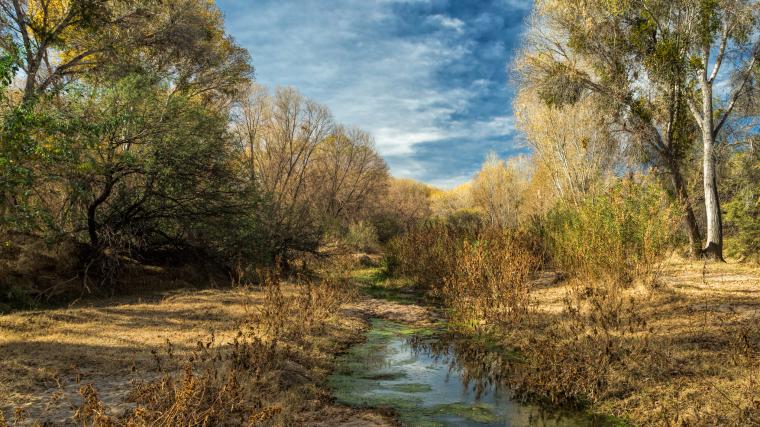
River floodplains are important features on the landscape. They allow for groundwater recharge and dispersal of water and nutrients during flood events. The structure of floodplains can vary greatly, ranging from relatively simple and linear features to highly complex and braided systems. Floodplain structure influences hydrological and biological processes. More complex floodplains can support a high diversity of plants and animals.
Many river floodplains have been impacted by human activities and wildfires. As a result, there are restoration efforts underway at many sites, with the goal of restoring natural flow regimes and floodplain features. However, for these efforts to be successful, managers need to have an understanding of what “natural” or unimpacted floodplains look like in that area.
To help provide these answers, researchers studied 33 floodplains in Alaska and the lower 48 states to identify how floodplain features varied with things like elevation and type of runoff (rain or snow). However, before they could summarize floodplain features, they had to identify the growing season: when vegetation at each site was leafed out. To do this, they used seasonal activity curves from USA-NPN’s Visualization Tool. After selecting the months when most plants were leafed out in each area, the researchers were able to summarize the structure and variability of each river floodplain. Ultimately, these summaries can help managers identify what healthy floodplains look like and set targets for restoration efforts in their region.
What is special about this study?
The researchers in this study needed a way of defining the “growing season” for sites across North America and turned to a unique source of data: Nature’s Notebook. They used summaries of observers’ data in the Visualization Tool to identify when leaves were present on trees and shrubs. This information was critical to their analyses because it allowed them to measure floodplain characteristics during the appropriate time of year at each site.
What does this mean for YOU?
Many Nature’s Notebook observers are probably aware that their observations are used regularly by ecologists to understand the timing of seasonal events and how things may be shifting in response to climate change. This study illustrates how the same observations can be used by researchers to answer very different questions, about hydrology, and geomorphology, and beyond. We expect that researchers will continue to find new ways of using Nature’s Notebook data, and so the value of your observations will only grow over time.
Citation:
Iskin, E., and E. Wohl. 2026. The natural range of variability of floodplain spatial heterogeneity. Earth Surface Processes and Landforms 51:e70410. https://doi.org/10.1002/esp.70410