What Is Phenology?
Phenology is derived from the Greek word phaino, meaning to show or appear. It is the study of recurring plant and animal life cycle events, or phenophases, such as leafing and flowering, maturation of agricultural plants, emergence of insects, and migration of birds.
Why Is It Important?
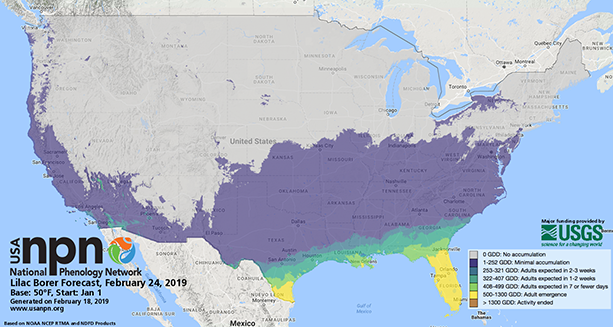
Phenology, put another way, is simply nature’s calendar—when the cherry flowers bloom, the robin builds its nest, and the leaves turn colors in the fall. This schedule is critical for plants and animals, and people too. When a caterpillar emerges, it needs developing leaves to eat. When a chick hatches, it needs caterpillars and other food to eat. For many people, allergy season starts when particular flowers bloom—earlier flowering means earlier allergies. Farmers and gardeners need to know when to plant to avoid frosts, and they need to know the schedule of plant and insect development to decide when to apply fertilizers and pesticides. In fact, phenology affects nearly all aspects of the environment, including the abundance and diversity of organisms, their interactions with one-another, their functions in food webs and their seasonal behavior, and global-scale cycles of water, carbon, and other chemical elements.
The timing of phenological events is important for:

How Does It Relate to Climate Change?
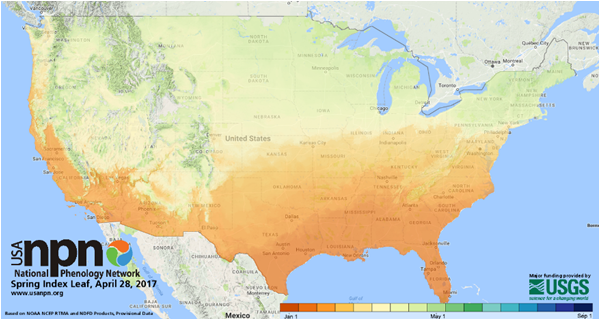
Phenology records can help us understand plant and animal responses to climate change. Changes in phenological events like flowering and bird migrations are among the most sensitive biological responses to climate change. Across the world, many spring events are occurring earlier—and fall events are happening later—than they did in the past. However, not all species are changing at the same rate. The phenology of some species is changing quickly, while others are changing slowly or even not at all. These different shifts in timing are shaking up ecosystems and altering interactions and processes that took place in the past. Our program will help scientists and managers identify which species are changing, and how, so that we can better predict the impact of changing phenologies on natural systems and people.
Why Monitor Phenology?

We know a lot about phenology, but there is still a lot to learn. Scientists still need information to answer lots of questions, ranging from from simple questions like “What regulates the pace at which a particular species grows and develops?” to more complex questions like “How does phenology affect which organisms live in a particular place? Or, how does phenology affect the cycling of water, energy, and chemical elements in the environment, and how are changing climates likely to affect these relationships?” With sufficient phenological observations, we can document patterns of phenology for critical plant and animal species across the United States, and then use this information to build models to help humans understand and adapt to changing landscapes and climates.
Despite their importance, broadly distributed phenological data are relatively rare in the United States, though other countries have well-developed datasets and phenology monitoring programs.
Who Monitors Phenology?
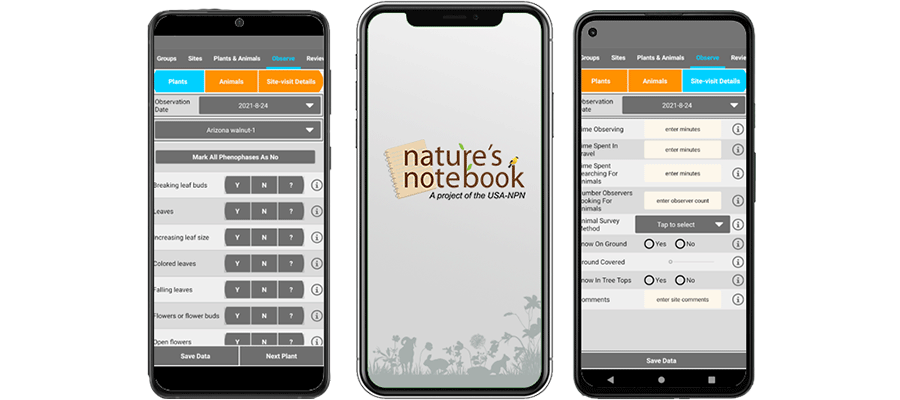
Anyone can participate in our phenology network by registering and entering their observations on-line. Examples of some of our participants include
Many famous historical figures, including Thomas Jefferson, Aldo Leopold, and Henry David Thoreau recorded phenology observations that are being resurrected and used to understand how environmental conditions have changed across the US over the last century or more.